Implications of Collecting Data on Farm
“Without data, you’re just another person with an opinion.”
W. Edwards Deming
 There’s a famous case study in the data analytics world about a well-known American department store chain that learnt to predict when its female shoppers were pregnant by their buying habits. The store discovered that pregnancy signalled a significant shift in female spending habits, so by targeting pregnant customers they could get their attention at an impressionable time in their lives.
This chain of stores got so good at doing this that they sent pregnancy related advertising material to a teenage girl who had been shopping at their stores. The father of the girl was incensed by the material and told the store so, only to have to apologies days later after learning the store had not in fact, made a mistake (Hill, 2012).
As farmers we deal with something that is every bit as complex, dynamic and intricate as human buying habits. We deal with nature and the natural world. Farmers have never before had tools to measure and respond to the natural variability that comes with interacting with the natural world. But the rise of data collection and technology allows us to do just that. Our farms and our soils are not homogenous, but for too long we’ve treated them as such.
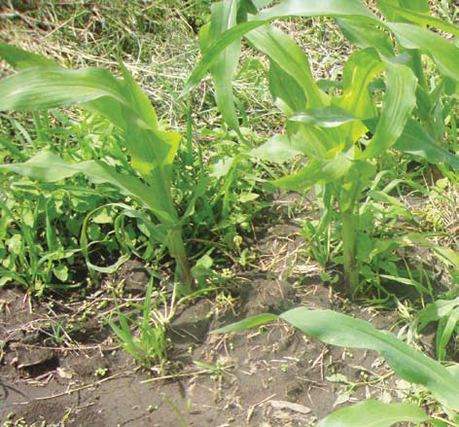
 Briefly discuss Maize growing in Trans Nzoia County and the country as a whole?
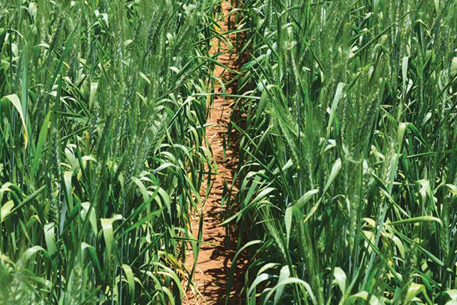 The challenges to achieving global food security are enormous. Experts say that at least 900 million people do not get enough food to eat, global population is expected to increase by 2 billion by 2050 and scientists are battling the threat of climate change, which causes erratic weather patterns and global warming.
 Agricultural sector is the major source of employment for over 80% of the rural population directly while a sizeable number of the county residents are employed in the few smallscale agro-processing industries. The main crops produced in the county are maize, beans, wheat, tea and potatoes. Other crops include coffee and horticultural crops. The total acreage under food crops is 143,807.5 hectares while that under cash crops is 1477.12 hectares. The average farm sizes ranges from 0.60705 hectares for small scale farming to 80.94 hectares for large-scale farming.